Storm season in New England is unpredictable. High winds and heavy snow can knock out power for hours or days. A solid generator storm prep checklist is the difference between staying comfortable and scrambling in the dark.
Homeowners in Sandown, NH and across southern New Hampshire and Massachusetts face this risk every fall and winter. Outages often hit hardest in rural and semi-rural neighborhoods, where crews take longer to restore lines. Waiting until a storm warning to check your generator is too late.
At Arete Electric & HVAC Services, we inspect and service backup power systems for homeowners throughout the region every year before major storms roll in. We see the same problems repeatedly: dead batteries, clogged fuel lines, and transfer switches that were never tested. Each one is preventable with a simple pre-storm routine.
This guide walks through the exact steps we recommend before every storm season. Follow it now, not during the next weather alert.
Why a Generator Storm Prep Checklist Matters Before New England Storms
A generator storm prep checklist catches small problems before they become total power failures. Generators that sit unused for months often fail at the worst possible moment.
New Hampshire and Massachusetts see frequent nor’easters, ice storms, and summer microbursts. Each event can knock out power outage preparedness plans that were never actually tested. A generator that starts in October may fail in a January ice storm if fuel has degraded or the battery has drained.
Running through a checklist twice a year, in fall and spring, catches these issues early.
Test Your Generator’s Starting System and Fuel Supply
Start your generator monthly and run it under load for at least 15 minutes. This keeps the engine, battery, and internal components in working condition.
Check these items during every test:
- Battery charge and terminals — corrosion causes most no-start calls we receive.
- Fuel level and quality — old gasoline degrades within 30 days without stabilizer.
- Oil level — low oil triggers automatic engine shutdown mid-storm.
- Air filter — a clogged filter reduces power output under load.
Fuel supply testing matters most for portable units. Propane and natural gas standby generators avoid stale-fuel issues entirely, which is one reason we recommend whole-home systems for year-round reliability.
Inspect Your Transfer Switch and Electrical Connections
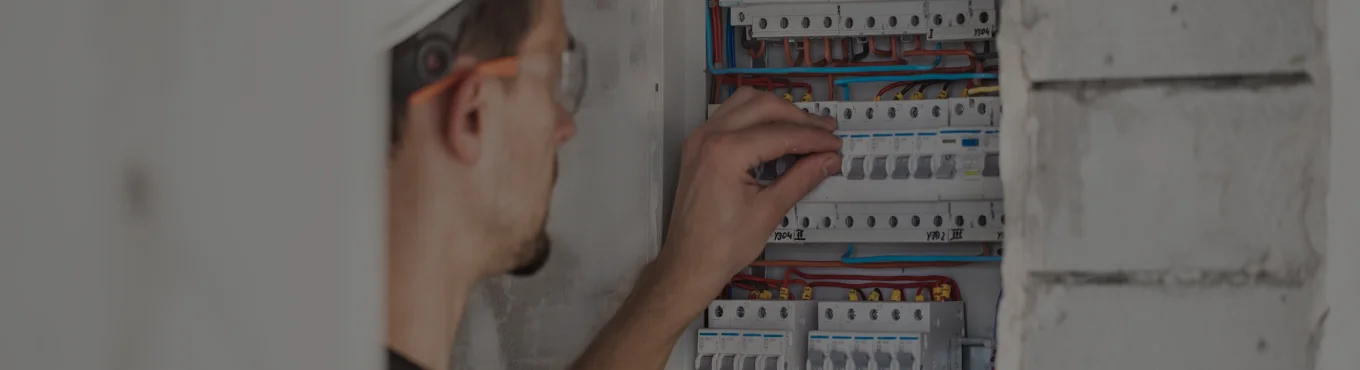
Your transfer switch moves your home’s electrical load from utility power to generator power safely. A faulty switch is a fire and shock hazard, not just an inconvenience.
Have a licensed electrician inspect:
- Transfer switch wiring and connection points
- Circuit breaker condition inside the switch panel
- Grounding connections at the generator itself
- Load calculations, to confirm your generator still covers your current electrical demand
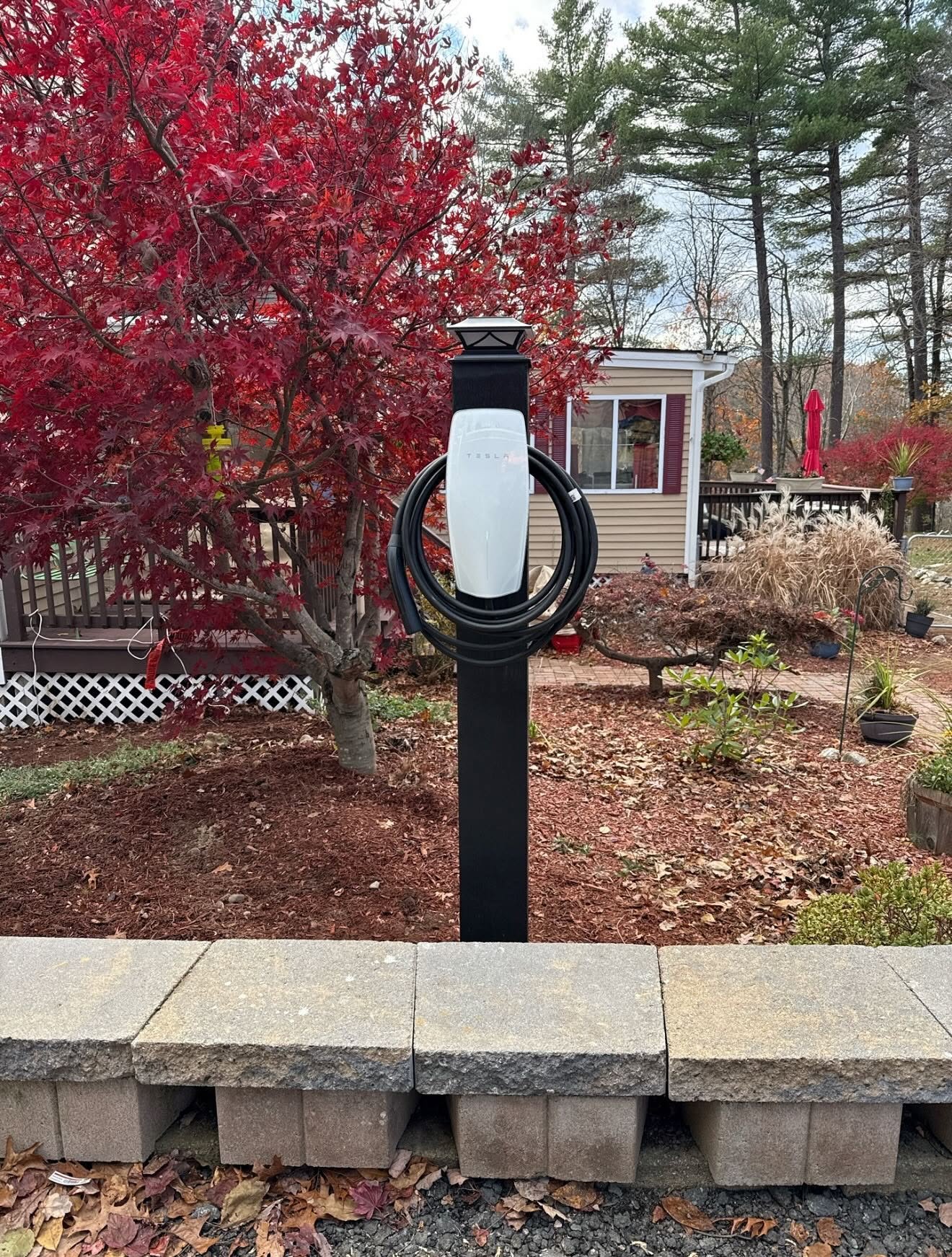
Homes that added HVAC equipment, an EV charger, or a home addition since installing their generator often outgrow their original system. Our professional generator installation service includes a full load review, so your setup matches what your home actually draws today.
When Should You Call a Licensed Electrician for Generator Service?
Call an electrician immediately if your generator fails to start, trips breakers, or shows corrosion at any wiring connection. These signs point to problems beyond routine maintenance.
Searching for the best electrician near me during an active storm rarely gets you fast service. Reputable electricians book up quickly once a storm warning is issued. Scheduling an inspection weeks ahead, instead of during an emergency, gets you a thorough job at a lower generator installation cost than rush service.
According to the U.S. Department of Homeland Security’s Ready.gov, homeowners should have backup power systems professionally inspected on a regular schedule, particularly before hurricane and winter storm seasons. This matches what we see in the field every year.
Stock Emergency Supplies and Create a Power Outage Plan
Pair your generator with a basic emergency kit, since even a well-maintained unit can run out of fuel during extended outages. Preparation goes beyond the equipment itself.
Keep these on hand before storm season:
- Extra fuel stored in approved, labeled containers
- A carbon monoxide detector near your generator’s exhaust path
- Battery-powered lighting and a charged phone battery bank
- A written plan for which appliances and circuits are essential
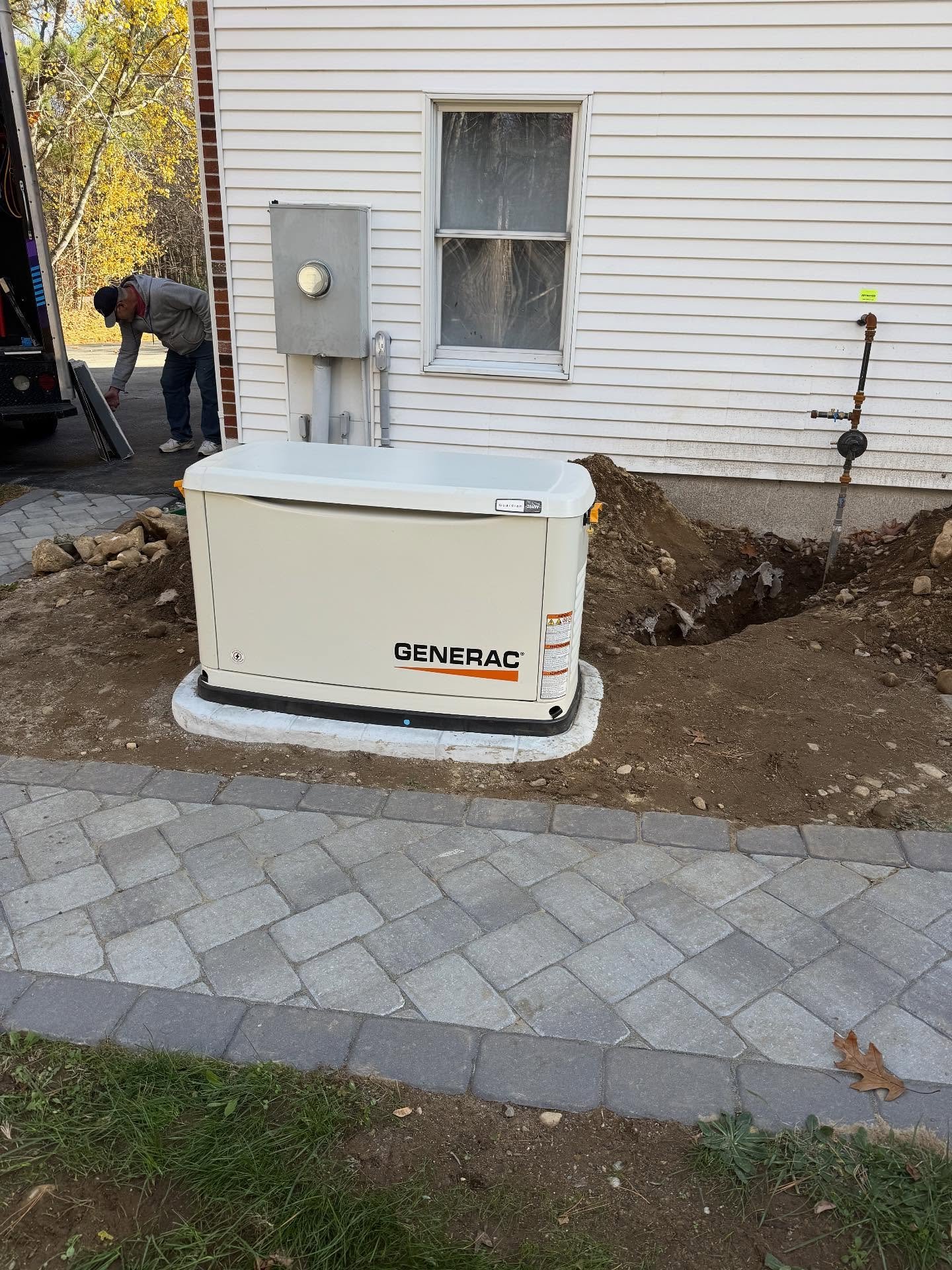
Whole-home generator systems remove much of this manual planning, since they start automatically and run on your home’s existing gas line. Portable units require more hands-on attention during a multi-day outage.
Frequently Asked Questions
How often should I test my generator before storm season?
Run your generator monthly year-round, with a full load test in early fall before storm season begins. This catches battery and fuel issues early.
What size generator do I need for my NH or MA home?
Sizing depends on your total electrical load, including HVAC, well pumps, and major appliances. A licensed electrician should calculate this rather than estimating by home square footage alone.
Can I install a generator transfer switch myself?
No. Transfer switches must be installed by a licensed electrician to meet local electrical code and avoid backfeeding power into utility lines, which endangers repair crews.
How much does professional generator installation cost?
Cost varies based on generator size, fuel type, and existing electrical panel capacity. A site visit gives the most accurate estimate for your specific home.
Conclusion
A thorough generator storm prep checklist protects your home before the next nor’easter or ice storm hits. Test your equipment, inspect your transfer switch, and stock emergency supplies well ahead of storm season. Contact Arete Electric & HVAC Services today to schedule a generator inspection or installation for your Sandown, NH or Massachusetts home.