Many homeowners hear “heat pump” and “mini-split” used as if they mean the same thing. They do not, and the difference affects which system you should buy.
When you weigh a heat pump vs mini split, you are really comparing a technology to one way of installing it. Every mini-split that heats and cools is a heat pump. But not every heat pump is a mini-split.
This matters in southern New Hampshire, where winter tests every heating system. The right choice depends on your ductwork, your rooms, and your electrical panel. Picking the wrong layout can mean cold rooms, higher bills, and a second installation visit.
At Arete Electric & HVAC Services in Sandown, NH, we install both ducted heat pumps and ductless mini-splits. We also handle the electrical work, so we see how these systems and home panels work together every week. This guide explains what each term means, how the two options differ, and how to pick the right fit for your home.
Are a Heat Pump and a Mini-Split the Same Thing?
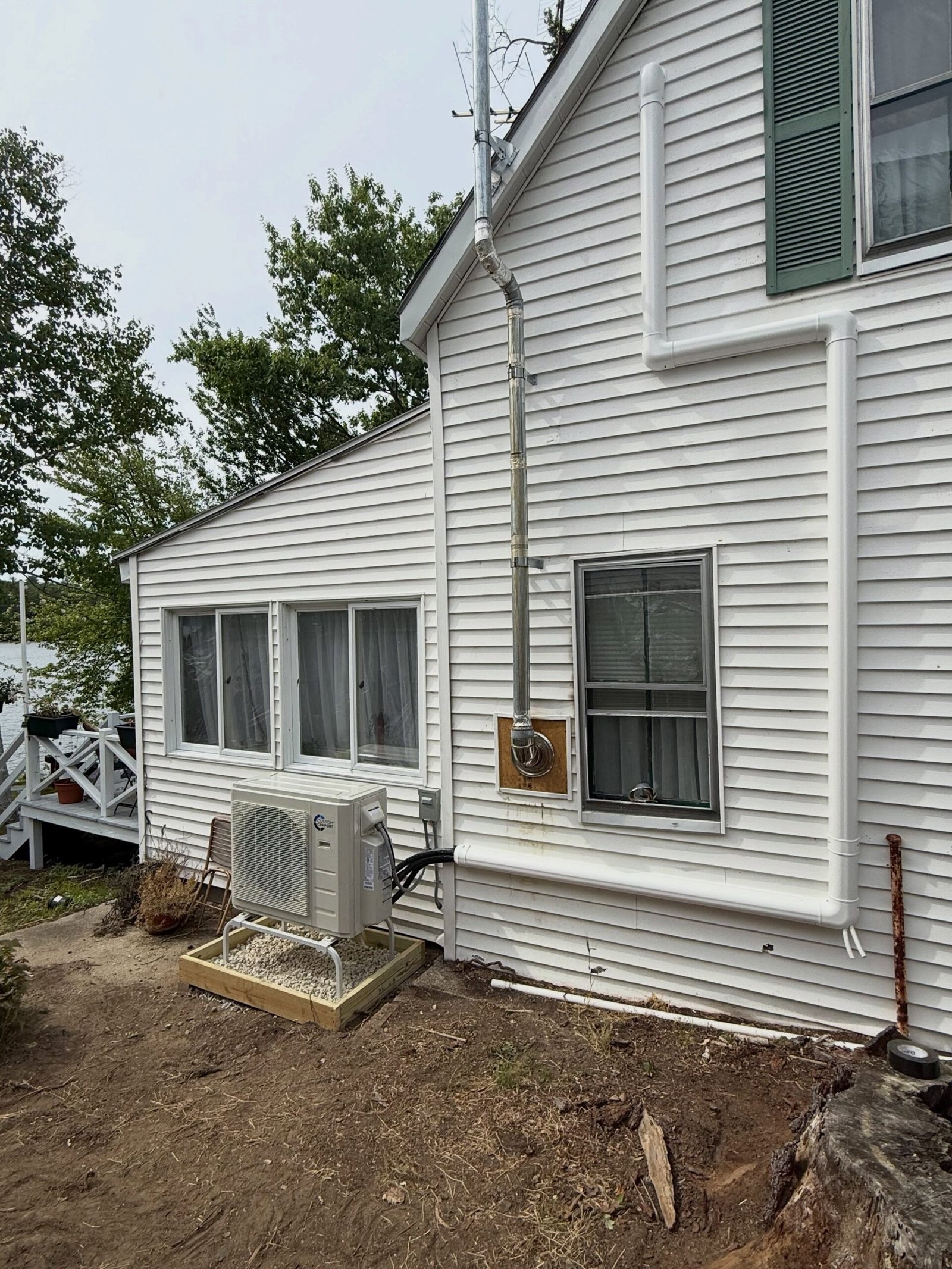
No. A heat pump is a type of technology, and a mini-split is one way to install it. A heat pump moves heat instead of making it by burning fuel. A mini-split is a heat pump with an outdoor unit and one or more indoor units, with no ducts between them.
Think of “vehicle” and “pickup truck.” Every pickup is a vehicle, but not every vehicle is a pickup.
Heat pumps usually come in three layouts:
- Ductless (mini-split): An outdoor unit connects to wall, floor, or ceiling units inside.
- Ducted (central): One indoor air handler sends air through your existing ducts.
- Short-run ducted: Short ducts serve one part of the house, often paired with ductless units elsewhere.
How Does a Heat Pump Work in a New England Winter?
A heat pump pulls heat from outdoor air into your home in winter, then reverses to push heat outside in summer. Even cold air holds some heat, and the refrigerant carries it indoors.
According to the U.S. Department of Energy, a properly installed air-source heat pump can deliver up to three times more heat energy than the electricity it uses. The agency also notes that newer models now work as a real heating option in colder regions.
For Sandown homes, we look at three details:
- Cold-climate rating: Choose a model built for low outdoor temperatures.
- Heating efficiency (HSPF): In cold areas, aim for the highest rating that fits your budget.
- Outdoor unit placement: We mount it above the expected snow line and shield it from strong wind.
Heat Pump vs Mini Split: Which Type Fits Your Home?
Choose a mini-split if your home has no ducts or you need to heat one area. Choose a ducted heat pump if you already have sealed ducts in good shape.
A mini-split often fits:
- Additions, finished attics, and garages that are hard to heat
- Homes with hot-water baseboard or radiant heat and no ducts
- Households that want a separate thermostat for each room or zone
Installation is also simple. The Department of Energy says a ductless system needs only a three-inch hole through the wall to link the indoor and outdoor units.
A ducted heat pump fits homes with good ductwork already in place. It spreads even air through every room and keeps the equipment out of sight. Leaky ducts, though, waste energy, so we check them first.
One caution applies to both: size matters. The Department of Energy warns that an oversized or poorly placed indoor unit can short-cycle, which wastes energy and hurts comfort. Learn more about our mini-split and heat pump installation services.
Which Is More Efficient: A Ducted Heat Pump or a Mini-Split?
Mini-splits often have an edge because they have no ducts to lose energy through. The Department of Energy reports that ductless systems can reach ratings from 15.2 to 35 SEER2, while ducted heat pumps typically reach 15.2 to 25 SEER2.
ENERGY STAR says certified mini-splits can use up to 60% less energy than standard home electric radiators. That gap is why many homeowners with electric resistance heat look at a switch first.
A high rating only helps if the system is sized and installed well. Massachusetts customers can also ask us about rebates, since we are a Mass Save Heat Pump Certified Contractor.
What Should You Check Before Installing Either System?
Check your electrical panel, your room-by-room sizing, and your installer before you sign anything.
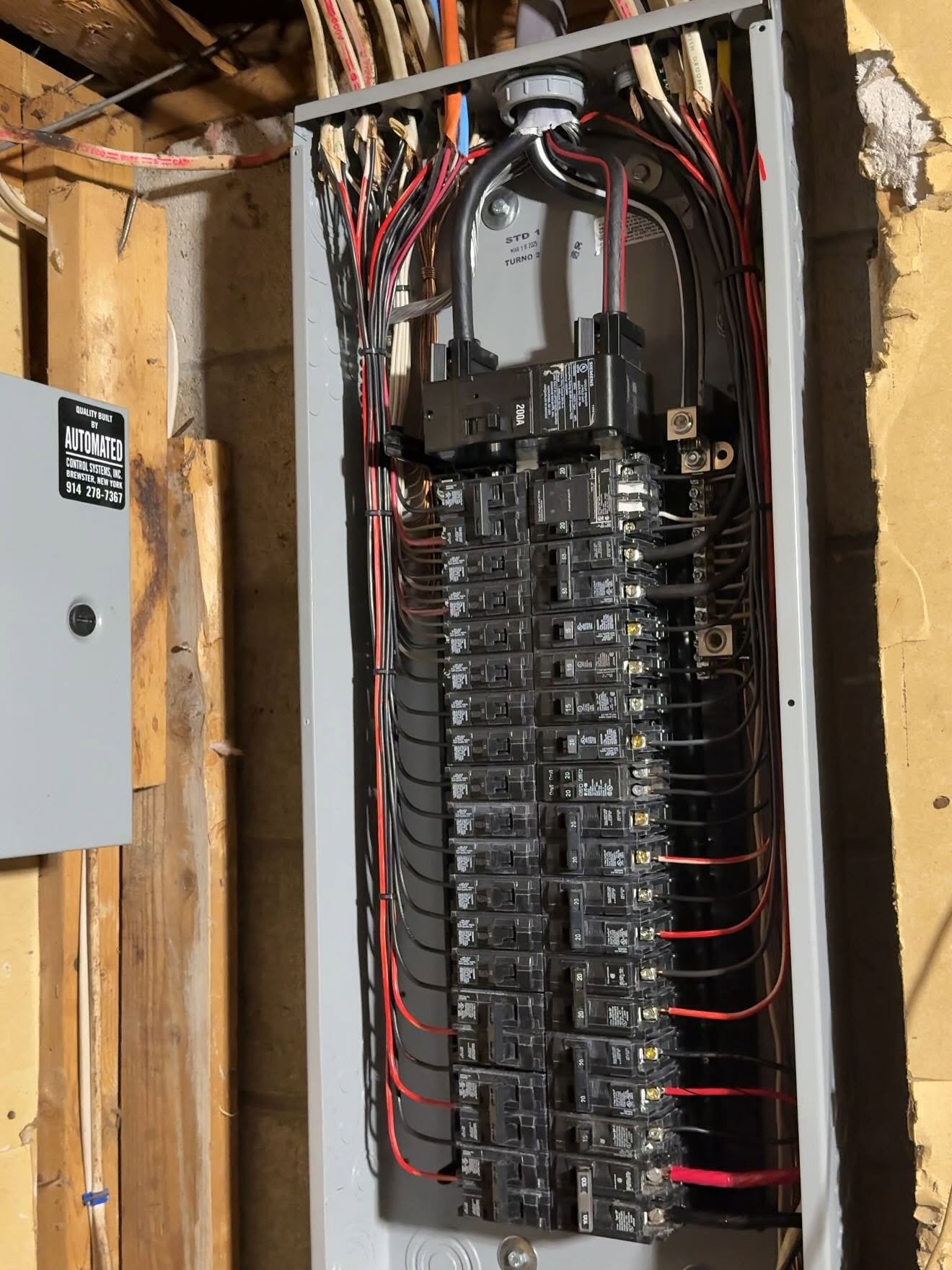
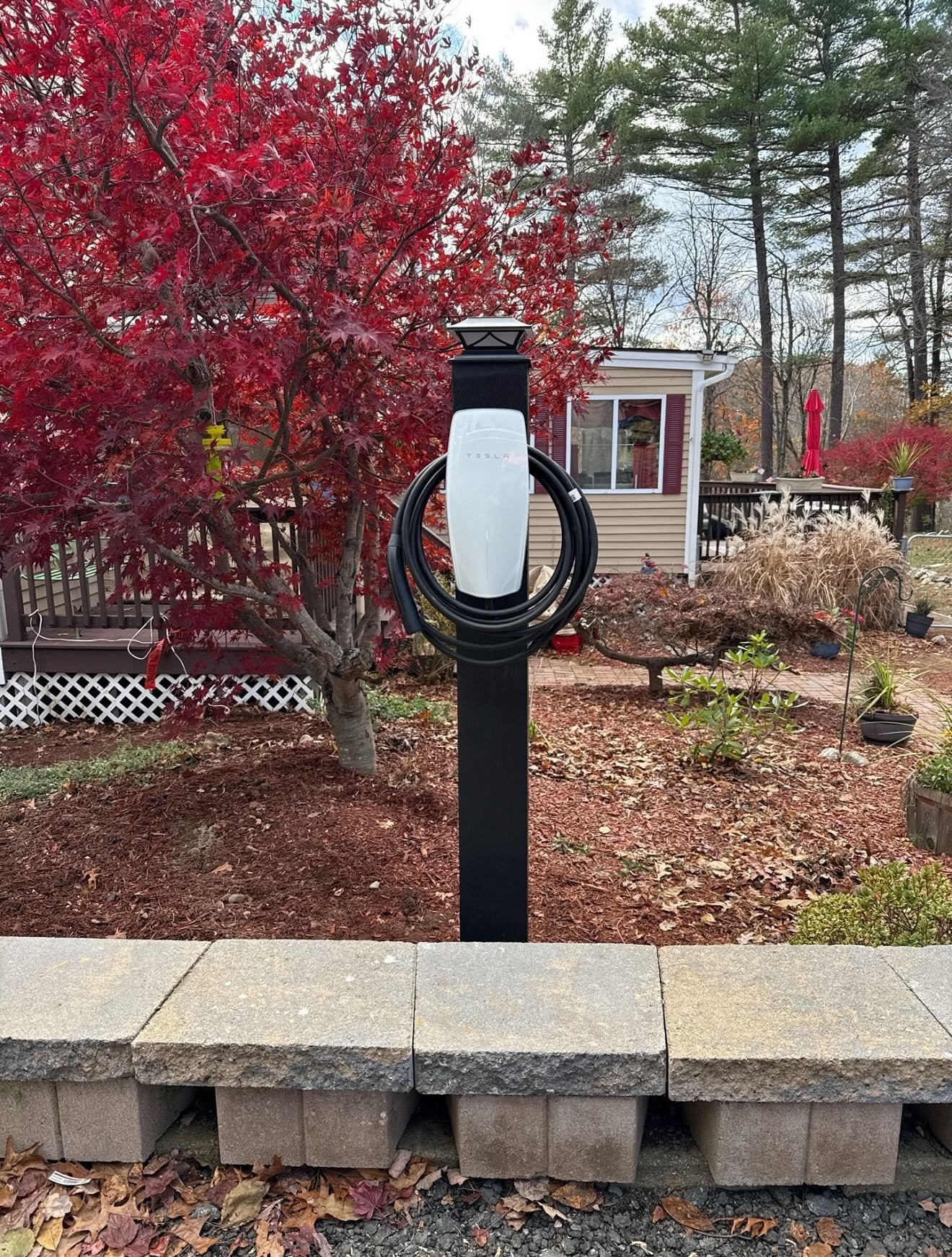
Most heat pumps and mini-splits need a dedicated circuit, and the unit’s nameplate sets the breaker size. An older 100-amp panel may have no spare capacity, especially if you also plan an EV charger. Our guide to panel capacity and load calculations shows how to check yours first.
Here is what our free on-site assessment covers:
- A walk through each room to estimate heating and cooling needs
- A look at existing ducts, if you have them
- An electrical panel check for open slots and capacity
- A clear, upfront quote before work begins
Hire an installer with real ductless experience. ENERGY STAR advises choosing a well-reputed contractor who knows mini-split systems.
Frequently Asked Questions
Is a mini-split better than a heat pump?
Neither is better in every case, because a mini-split is a kind of heat pump. A mini-split suits homes without ducts. A ducted heat pump suits homes with good ductwork.
Can a mini-split heat an entire house?
Yes, in many homes. A multi-zone system connects several indoor units to one outdoor unit. Open floor plans and well-insulated homes work best, and a load calculation confirms the sizing.
Do mini-splits work in cold New Hampshire winters?
Yes, if you choose a cold-climate model and install it correctly. Check the unit’s low-temperature performance rating before you buy.
Do I need a panel upgrade for a mini-split?
Not always. Many homes have room for one more circuit. A load calculation tells you for certain, and older 100-amp panels are the most likely to need an upgrade.
Ready to Compare Your Options?
Now you know the heat pump vs mini split answer: one is the technology, the other is a style of system. The right pick depends on your ducts, your rooms, and your electrical panel, so a short on-site visit saves guesswork. Contact Arete Electric & HVAC Services to schedule a free assessment. We serve Sandown, NH and the surrounding communities in New Hampshire and Massachusetts.