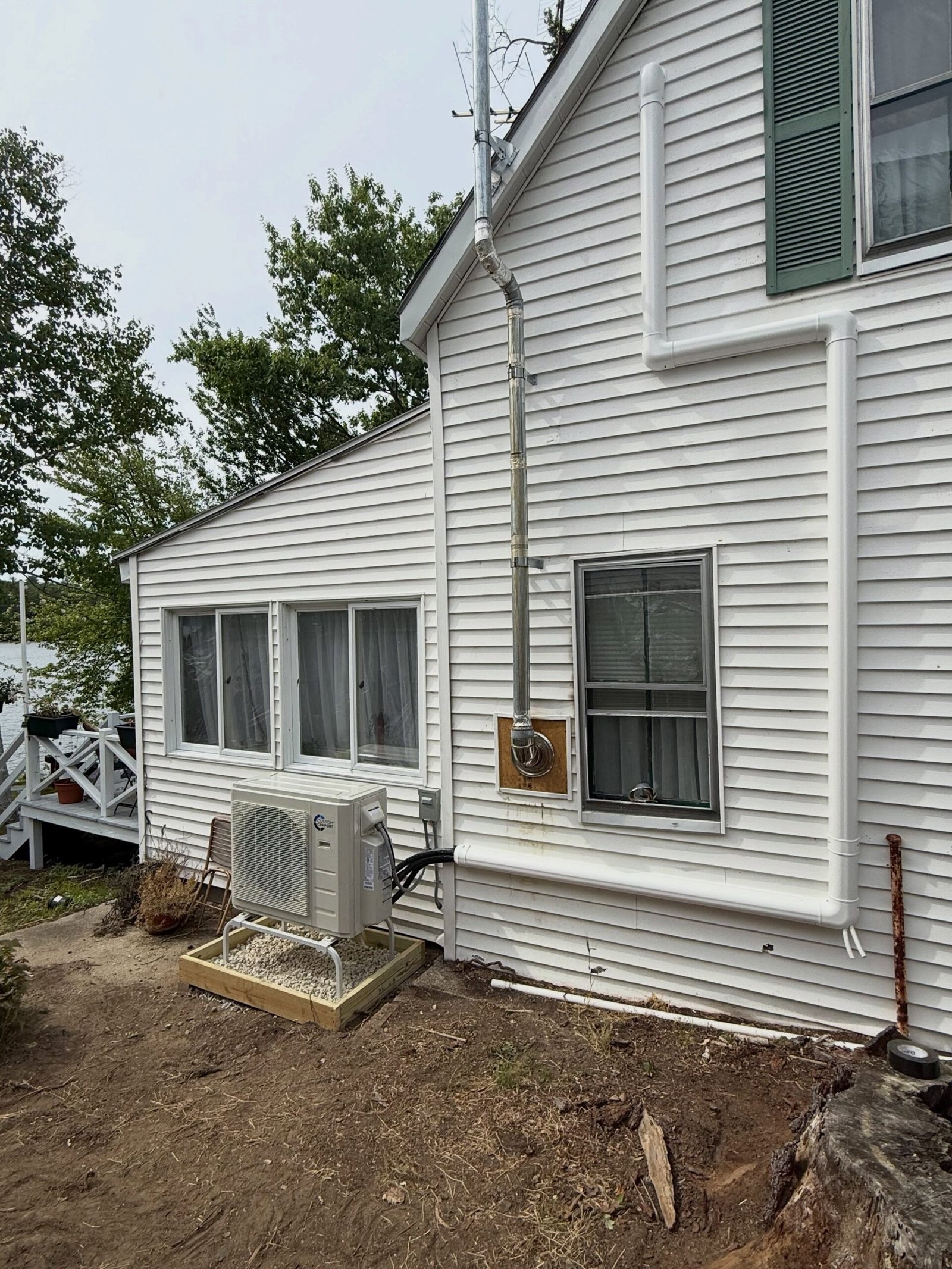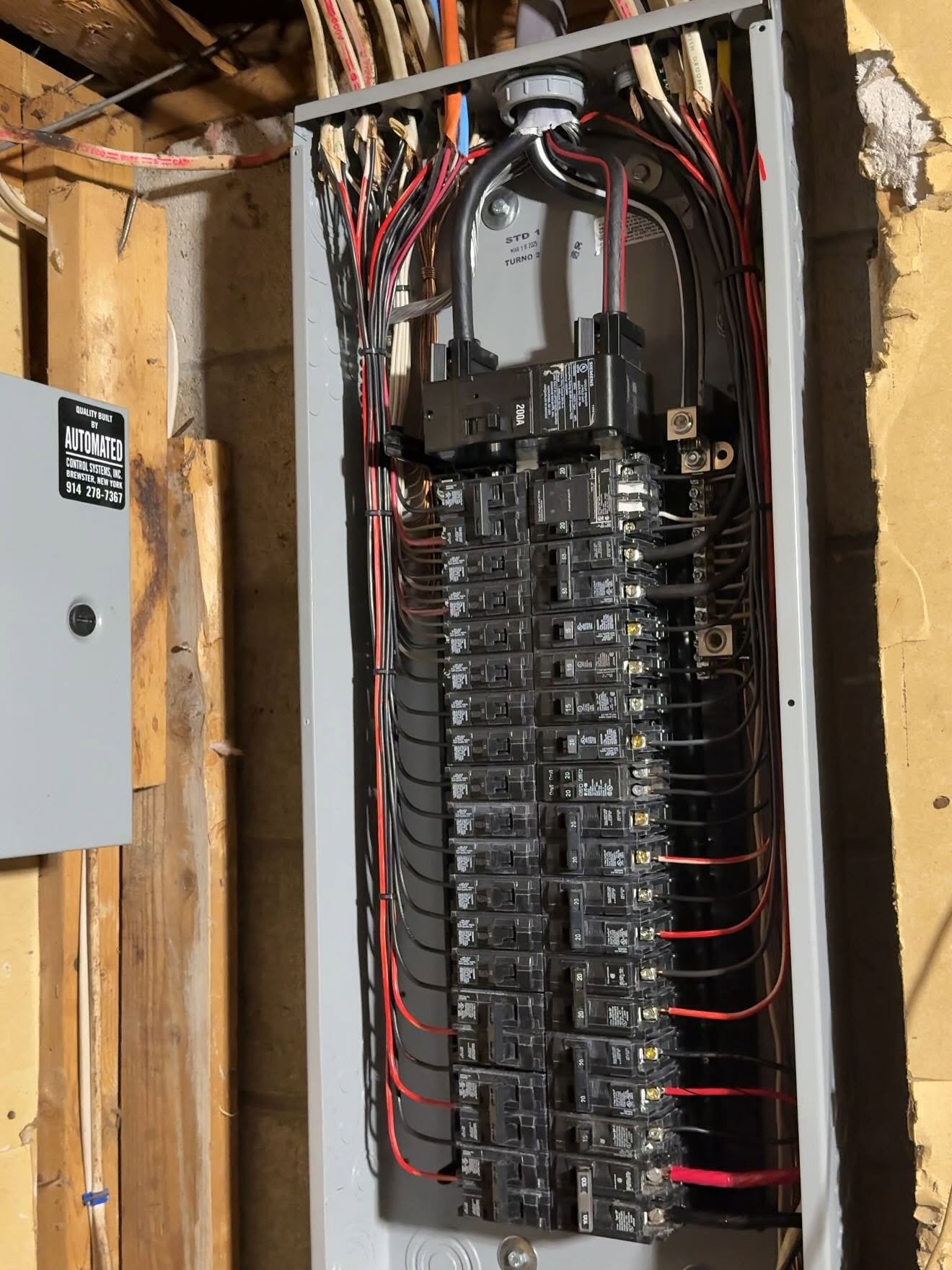
Sometimes, but not always. Whether you need a heat pump panel upgrade depends on how much spare capacity your electrical service has, not on the type of equipment you choose. A single mini-split can often be added to a 100-amp service that has spare capacity. A whole-home heat pump, especially one that replaces oil or gas heat and includes backup heat strips, more often calls for 200-amp service.
This guide explains how to tell which situation you are in, what a licensed electrician checks first, and how to plan the work so your install is not delayed. It is written for homeowners in Sandown, Danville, Hampstead, Kingston, Chester and the other areas we serve across Southern New Hampshire and Northern Massachusetts.
Heat Pump Panel Upgrade: When You Do and Don’t Need One
You may not need an upgrade if your panel has open breaker spaces, your service has spare capacity after a proper load calculation, and the new system is a single mini-split zone.
You are more likely to need an upgrade if you have 100-amp service or less, no open breaker slots, a panel that is old or already crowded, or you are adding several large loads at once, such as a heat pump plus an EV charger or generator.
The only reliable way to know is a load calculation by a licensed electrician. Guessing from the size of the panel door or the number of breakers is how projects stall on install day.
Why a Heat Pump Changes Your Electrical Load
A heat pump moves heat instead of burning fuel, so it runs on electricity. The load depends on the system:
- Single-zone mini-split: usually runs on its own dedicated 240-volt circuit sized to the manufacturer’s nameplate.
- Multi-zone mini-split: more indoor heads and a larger outdoor unit mean a larger circuit.
- Ducted whole-home heat pump: adds an air handler and often electric backup heat strips, which can add a significant load of their own.
A heat pump that is your main heat source also works hardest in the coldest weather, when the rest of the house is drawing power too. That is why electricians size the service for the whole home, not just the new unit.
What a Load Calculation Looks At
Electricians use the National Electrical Code’s load calculation method to add up what your home can demand at once. It considers:
- Square footage and general lighting and outlet loads
- Large fixed appliances such as an electric range, dryer and water heater
- The new heat pump or mini-split, including backup heat
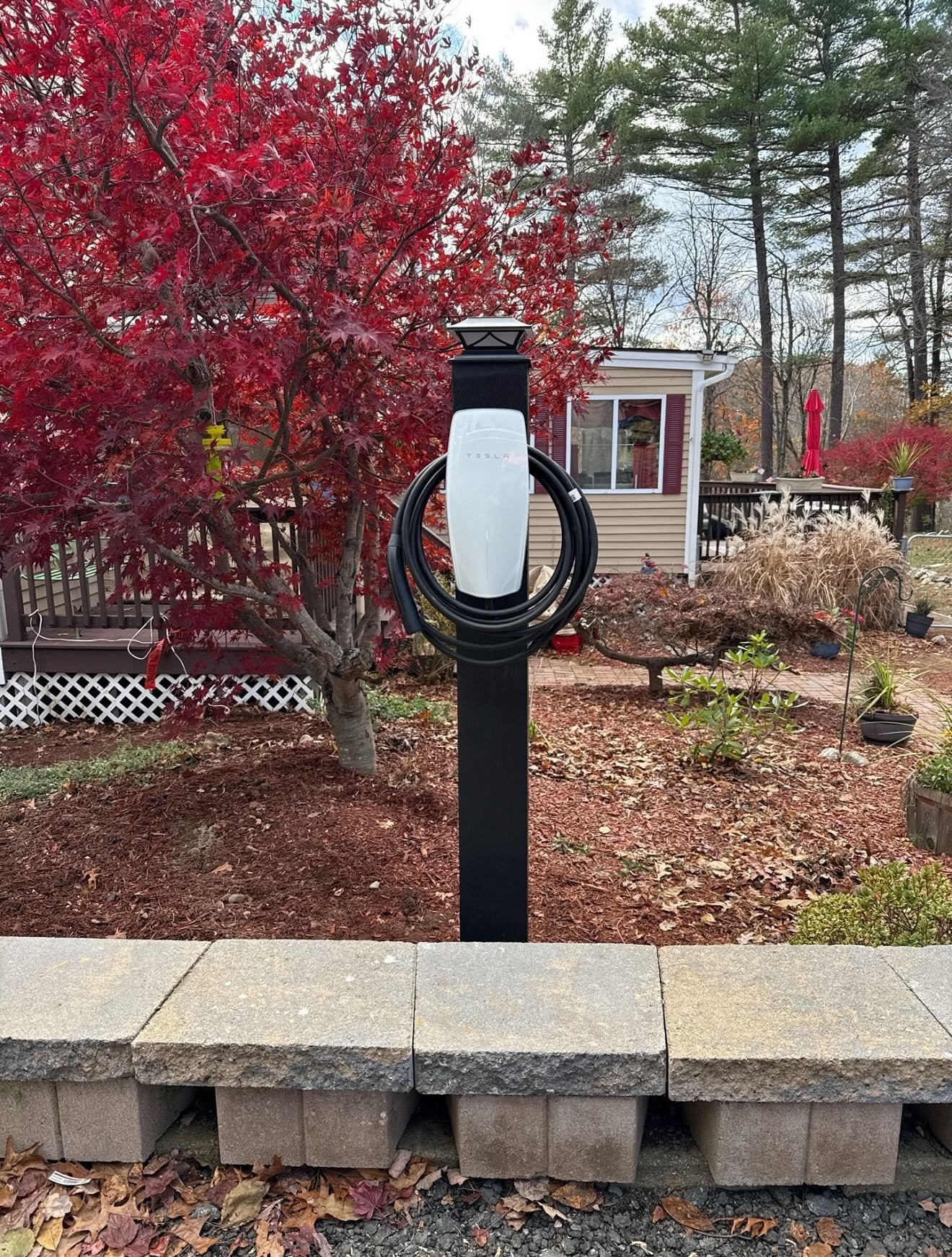
- Any planned additions, such as an EV charger or generator
The result is compared with your service size. If the total fits, you may be able to add the equipment without upgrading. If not, the calculation shows how much more capacity you need. For more detail, see the U.S. Department of Energy’s guide and NYSERDA’s guide. Note that NYSERDA’s guide is written for New York. A licensed electrician in Sandown, NH can review your panel and explain what applies to your home.
Warning Signs Your Panel May Not Be Ready
- Your service is 100 amps or less
- There are no open breaker spaces, or the panel is full of tandem breakers
- Lights flicker or breakers trip when large appliances start
- The panel is old, shows rust, heat marks or buzzing, or is a Federal Pacific (Stab-Lok) or Zinsco panel, brands with a documented history of breakers failing to trip
- A home inspector or earlier electrician flagged a code issue
A full panel and a lack of capacity are different problems. A panel can have open slots but too little service capacity, or plenty of capacity but no room for a new breaker. A panel’s label can also mislead: a panel rated for 200 amps may be fed by a 100-amp service, so an electrician checks the service entrance as well as the panel. Federal Pacific and Zinsco panels were never formally recalled, but many electricians and home inspectors recommend replacing them before you add new load.
Panel Replacement vs. Service Upgrade
People use these terms interchangeably, but they are not the same job. Both fall under our electrical panel and service upgrades.
- Panel replacement: swaps the panel itself for a newer one, often with more breaker spaces.
- Service upgrade: raises the capacity of the whole service, for example from 100 amps to 200 amps. It can involve the meter base, the service entrance wiring and coordination with your electric utility.
Both typically need a permit and an inspection through your town. Plan for the power to be off for part of a day while the work is done and the utility disconnects and reconnects service.
Can You Avoid a Panel Upgrade?
Sometimes. Options an electrician may suggest include:
- Choosing a smaller or single-zone system
- Removing or consolidating unused or oversized circuits
- Using a load management device that limits how much power certain equipment draws at the same time
These can work in the right home, but they are not a substitute for a load calculation. A subpanel can add breaker spaces when the main panel is full, though it does not add service capacity. If you plan to add an EV charger, generator or more heat pump zones later, upgrading once is often simpler than revisiting the panel each time. Our guide to panel capacity for a home office or EV charger explains how to think about those loads, and our generator storm prep checklist for NH and MA homeowners shows why backup power belongs in the same plan.
Rebates and Timing: Why to Plan Early
Heat pump rebates in both states have install deadlines, and panel work can add permit and utility scheduling time before the heat pump itself goes in. If you are planning an install this year, start early. NHSaves’ 2026 install window closes December 30, and Mass Save’s income-based enhanced rebates require installation by December 31, 2026.
- Massachusetts: Mass Save’s 2026 whole-home heat pump rebate is $2,650 per ton, capped at $8,500. It applies when the heat pump is the sole source of heating and cooling, the home has been weatherized first, and a contractor in the Mass Save Heat Pump Installer Network does the install. Partial-home systems, which is how many mini-splits qualify, have a separate rebate, so confirm the amount for your setup. Arete Electric & HVAC is a Mass Save Heat Pump Certified Contractor.
- New Hampshire: NHSaves heat pump rebates require installation between January 1 and December 30, 2026, and are for residential electric customers of participating New Hampshire utilities.
Rebate rules and amounts change, so confirm current terms with Mass Save and NHSaves before you commit. Standard rebates are for the heat pump equipment, so ask the program whether panel work qualifies. In Massachusetts, Mass Save’s income-based enhanced offers have been described as covering necessary electrical panel updates, which you can ask about during your no-cost Home Energy Assessment. Which program applies depends on where the home is and who supplies its electricity, not where your contractor is based.
What to Expect When One Company Does Both Jobs
When the electrician and the HVAC technician are on the same team, the panel and the heat pump are planned together: the load calculation, the circuit size, the breaker, the permit and the install sequence. That means one point of contact, fewer scheduling gaps and no finger-pointing between trades if something needs adjusting. See our full range of electrical and HVAC services, or learn more about our licensed, family-owned team.
Frequently Asked Questions
Does a mini-split need its own circuit?
Yes. Mini-splits are normally installed on a dedicated circuit sized to the manufacturer’s nameplate. Your electrician confirms the exact breaker and wire size.
Can a 100-amp panel run a heat pump?
Sometimes. A single mini-split can fit on a 100-amp service with spare capacity. A larger or whole-home system, or one combined with other big loads, often cannot without an upgrade. A load calculation settles it. Homes that replace electric baseboard heat with a heat pump can sometimes free up enough capacity to avoid an upgrade.
How do I know if my panel is full?
If there are no open breaker spaces, or the only way to add a circuit is by doubling up breakers where the panel does not allow it, the panel is full. That is separate from whether your service has enough capacity.
Is a 200-amp service enough for a heat pump, EV charger and generator?
Often yes, but it depends on the rest of your home’s loads. Add them to the load calculation together rather than one at a time.
How long does a panel upgrade take?
The on-site work is often completed in about a day, but permits, utility coordination and inspection scheduling happen around it. Ask your electrician for a timeline based on your town and utility.
Do I need a permit?
Panel and service work, and new heat pump circuits, generally require an electrical permit and inspection. Your electrician handles this as part of the job.
Next Step: Get a Load Calculation Before You Buy Equipment
If you are planning a heat pump or mini-split, a quick electrical review up front prevents surprises on install day. Request a free estimate from Arete Electric & HVAC Services or call 603-453-2537. We will check your panel, tell you whether a heat pump panel upgrade is needed, and plan the electrical and HVAC work together.